Industrial facilities often need to change as business demands grow. A company may need more storage space, additional room for equipment, or a larger area for daily operations. Planning for these changes before construction begins can make future expansion easier to manage.
At Kelly Klosure, we understand that building needs can change over time. Our modular building systems provide an alternative to traditional construction for industrial facilities that need enclosed space. With the right planning, modular construction can also offer options to expand or modify a building as operational needs change.
Why Future Expansion Matters for Industrial Facilities
An industrial building may serve its original purpose for years before a company needs additional space. New equipment, increased production, or operational changes can create demands not included in the initial building plan.
For example, a maintenance facility may eventually need room for additional machinery. A storage building may need to accommodate more materials as a company takes on new projects. These changes can affect how much enclosed space is required.
Planning for growth does not mean a business must construct a larger building immediately. Instead, it means considering how the facility might change and what options could be available later.
Industrial modular buildings can be an option for companies that want to consider future changes during the design process. By evaluating potential expansion needs early, businesses can make more informed decisions about their initial modular building structures.
Evaluate Your Available Space Before Building
Before selecting a building location, consider how the surrounding property might be used in the future. Even if a facility has enough room for its current operations, nearby structures or property boundaries could limit future expansion.
Start by evaluating the amount of available land around the proposed building. Consider whether there is space to extend the structure without interfering with other operations.
Equipment access is another important factor. Industrial facilities often need room for vehicles or machinery to move around buildings. Expanding a structure could affect these routes, so consider access during the original site planning process.
Site conditions also matter. Drainage, ground conditions, and existing utilities may influence where a building can be placed and whether an addition is practical.
Our modular building systems offer flexibility in design, but expansion still depends on each project's conditions. Planning ahead can help businesses understand how their temporary building structures might fit into future site development.
How Kelly Klosure's Modular Panel System Supports Expansion
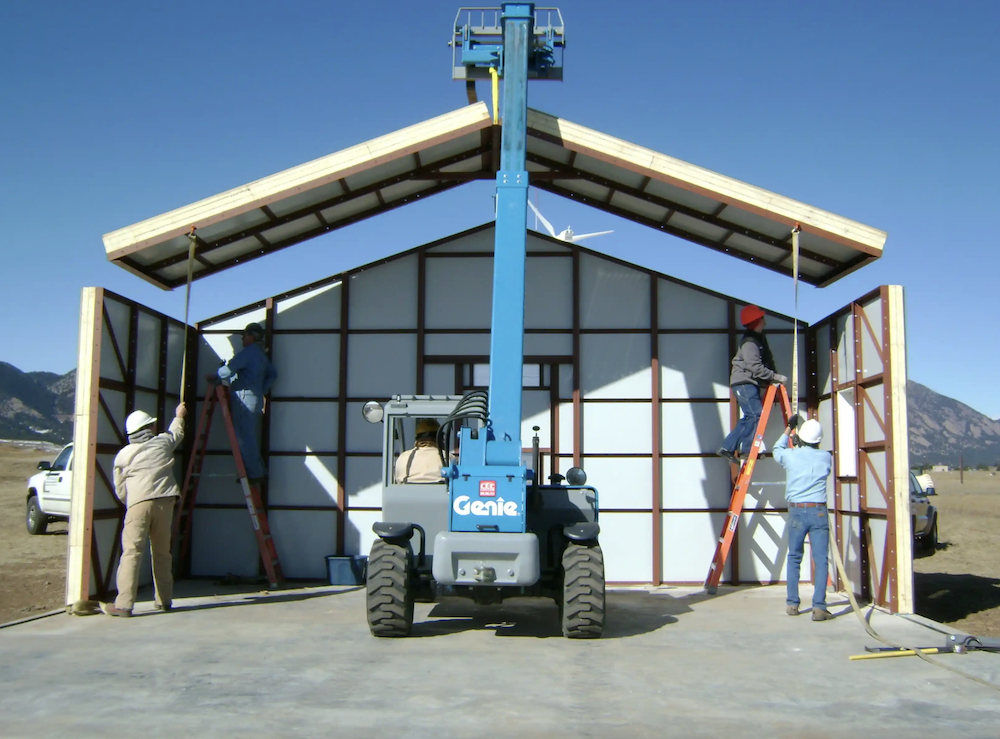
One advantage of our building system is its panelized construction. Kelly Klosure uses factory-assembled panels that are connected during installation to form an enclosed structure. This approach lets you modify certain building configurations as needs change.
For example, our modular panel system lets you extend a building's length by adding panels. This provides an option for increasing enclosed space without necessarily replacing the entire original building. The system also lets you change certain door and window locations by swapping panels. This can be useful when a building's layout needs to accommodate different equipment or operational requirements.
These features are important for businesses considering expandable modular buildings. Rather than viewing the initial structure as the only possible configuration, customers can discuss how future changes might affect the building's design.
However, expansion requires careful planning. Adding panels does not automatically mean that every building can be extended under every condition. We must evaluate the existing structure, foundation, and proposed changes to determine what is appropriate.
Our modular panel systems provide options for adapting a structure, but each expansion project must account for its specific engineering requirements.
Learn more about how our system works in our Modular Panel System for Temporary Buildings article.
Consider Doors, Windows, and Equipment Access
A building's size is only one part of planning for future expansion. Door and window placement can also affect how well a facility supports changing operations.
Consider how equipment will enter and exit the building. A maintenance facility may need a large access opening, while a storage building may require space for moving materials.
If the building is expanded, the original access points may no longer be in the most useful locations. Thinking about these possibilities during the initial design process can help identify potential challenges.
Kelly Klosure's panelized modular construction system lets you change certain door and window positions by swapping panels. This can provide options when a building's layout needs to be adjusted.
For industrial modular buildings, it is also important to consider how workers and equipment will move through the expanded space. Access routes should support the building's intended use while meeting applicable safety requirements.
Understand Foundation and Structural Requirements
Future building expansion involves more than adding enclosed space. The original foundation and structural design can influence what changes are possible later.
Before expanding a building, evaluate whether the existing foundation is suitable for the proposed work. An addition may require new foundation construction or changes to the original site.
Structural requirements must also be considered. Wind loads, snow loads, and other environmental conditions can affect how a building is engineered. Changes to a structure may require additional engineering review to ensure that it continues to meet applicable requirements.
Local building codes and permitting requirements may also apply to an expansion project.
When planning modular building systems, businesses should discuss possible future additions during the initial design process. This can help identify considerations that may affect the building's layout and foundation.
Although modular building structures offer design flexibility, each proposed expansion must be evaluated based on the building and its location.
When Relocation May Make More Sense Than Expansion
Expanding a building is not always the most practical solution. Sometimes a company needs to move its operations rather than expand its existing facility.
For example, an industrial project may be completed at one location while a new project begins elsewhere. In that situation, moving an existing building could be more useful than constructing an addition.
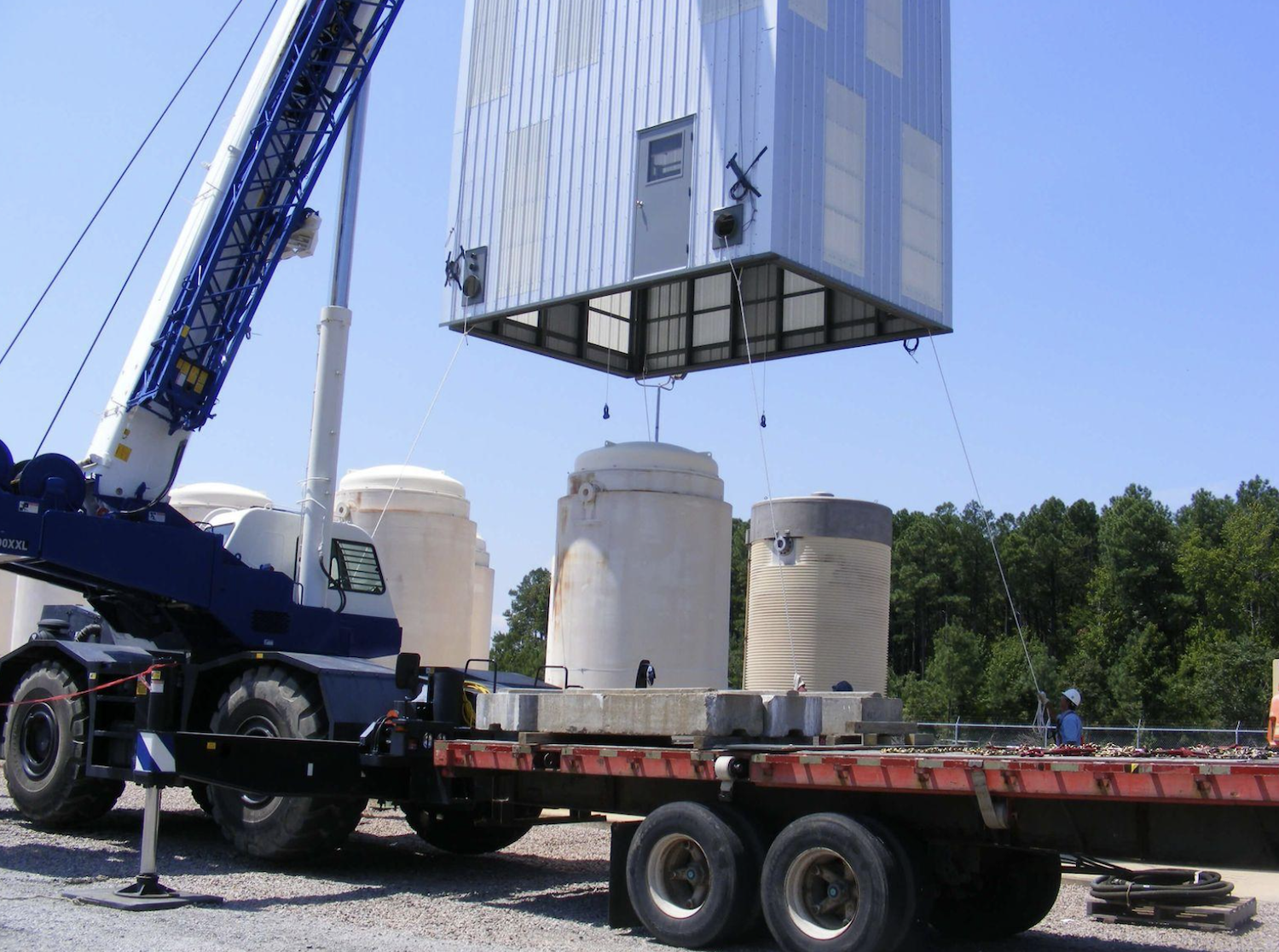
Kelly Klosure offers relocatable buildings designed for disassembly and reuse. Our panelized construction allows suitable structures to be taken apart and installed at another location. Certain buildings can also be designed for relocation as complete structures using lifting equipment.
Relocation requires planning, especially when the new site has different structural or foundation requirements.
Learn more about our Relocatable Buildings and how they support changing project needs.
Plan Your Modular Building Project with Kelly Klosure
Planning for future expansion begins with understanding what your facility needs today and how those needs might change.
Before starting a project, consider the building's intended use, available space, and possible future requirements. Discuss whether additional equipment, storage, or workspace could be needed later.
At Kelly Klosure, our modular building systems provide practical solutions for industrial applications. Our factory-assembled panel system lets you extend, modify, or relocate structures as project requirements change.
Whether you are planning a new facility or considering future expansion, early discussions about building design can help identify the right approach.
Our modular construction experience lets us work with customers on building solutions suited to their needs. We can also help evaluate whether our relocatable buildings are appropriate for projects that may move to another location.
Contact Kelly Klosure to discuss your building requirements and learn more about planning for future expansion.